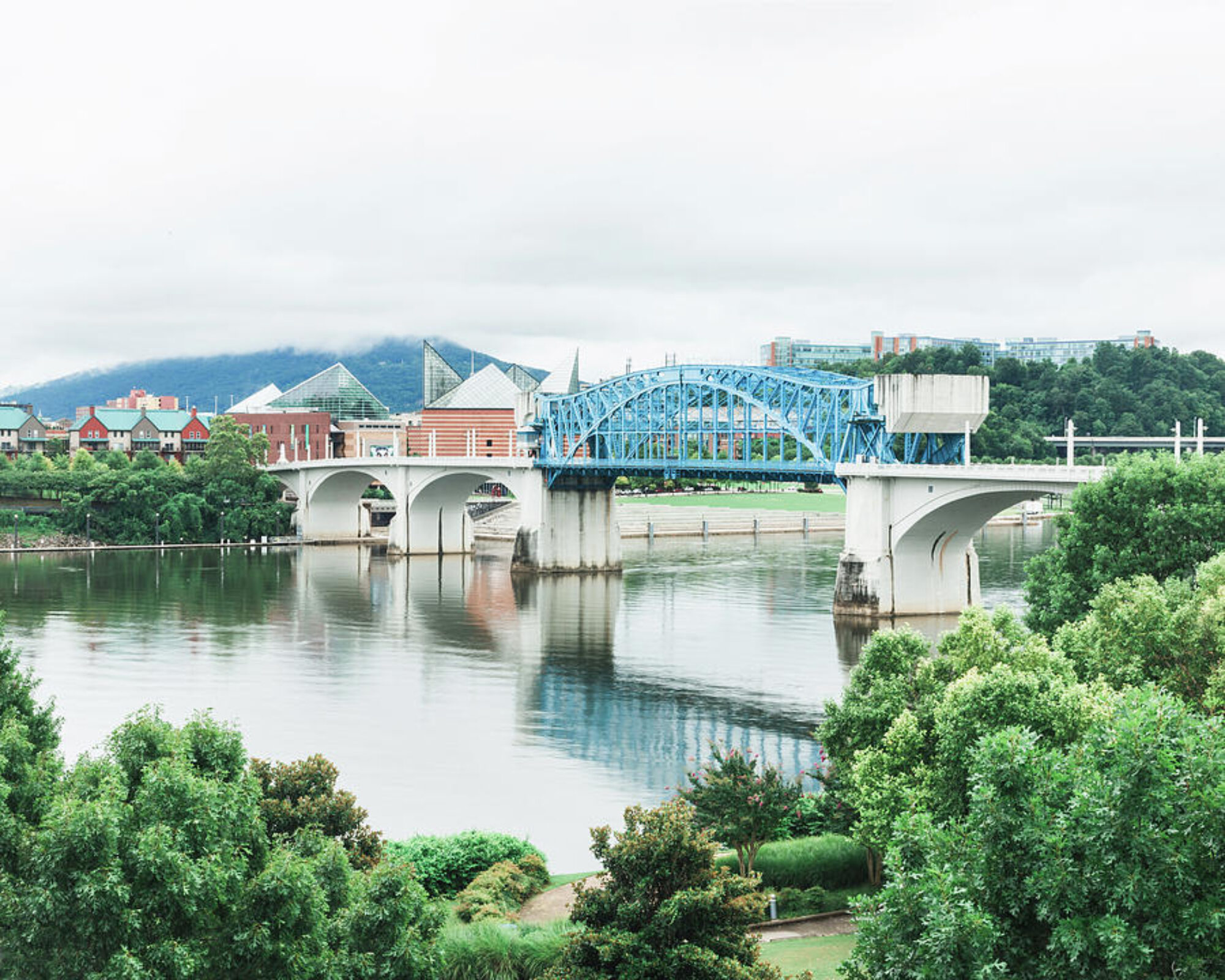

- Essential glimpses from innovative spaces to elegant design with pavilion88
- The Evolution of Spatial Design and the Role of Versatility
- Integrating Technology for Dynamic Spaces
- The Aesthetic Principles Driving Modern Design
- The Importance of Lighting in Shaping Ambiance
- Material Selection and Sustainability in Modern Spaces
- Exploring Innovative and Eco-Friendly Materials
- The Impact of Cultural Influences on Spatial Design
- Future Trends and the Ongoing Evolution of Design Solutions
Essential glimpses from innovative spaces to elegant design with pavilion88
The contemporary landscape of design and innovative spaces is constantly evolving, seeking to offer experiences that transcend mere functionality. At the forefront of this movement is a dedication to creating environments that are both aesthetically pleasing and deeply impactful. This pursuit of excellence is exemplified by projects like those associated with pavilion88, a name becoming synonymous with sophisticated design solutions and versatile spatial concepts. The focus isn't just on building structures; it's about cultivating atmospheres, fostering connections, and enhancing the human experience within a defined space.
The demand for adaptable and thoughtfully designed areas continues to rise across various sectors, from commercial spaces aiming to attract clientele to residential projects focused on improving quality of life. A key element driving this demand is the need for spaces that can seamlessly transition between different uses, accommodating a diverse range of activities and interactions. This requires a nuanced understanding of spatial dynamics, material properties, and the psychological impact of design choices. The intention is to craft places that inspire, comfort, and effectively support the intended purpose, all while exhibiting strong aesthetic principles.
The Evolution of Spatial Design and the Role of Versatility
The concept of spatial design has dramatically shifted over the past few decades. Traditionally, spaces were often rigidly defined by their primary function. A living room was strictly for relaxation, a kitchen solely for food preparation, and so on. However, modern living demands a greater degree of flexibility. The rise of remote work, the desire for multi-functional homes, and the increasing importance of social interaction within private spaces have all contributed to this shift. Consequently, designers are now tasked with creating environments that can effortlessly accommodate a multitude of activities. This necessitates a careful consideration of layout, furniture selection, and the incorporation of adaptable elements. The idea is to minimize constraints and maximize opportunities for personalization and change.
Integrating Technology for Dynamic Spaces
Technology plays an increasingly crucial role in achieving this spatial versatility. Smart home systems, for example, allow users to control lighting, temperature, and audio-visual equipment with ease, transforming a room's atmosphere to suit different needs. Motorized furniture, such as retractable screens or adjustable tables, can also significantly enhance a space's adaptability. Beyond the functional benefits, technology also enables designers to create immersive and interactive environments. Projection mapping, for example, can transform a blank wall into a dynamic canvas, adding a layer of visual interest and interactivity to a space. These technological advancements open up exciting new possibilities for spatial design, allowing for greater customization and responsiveness to user preferences.
| Feature | Traditional Space | Versatile Space |
|---|---|---|
| Functionality | Single-purpose | Multi-purpose |
| Layout | Fixed | Adaptable |
| Furniture | Stationary | Mobile/Transformable |
| Technology | Limited | Integrated |
The table above clearly illustrates the fundamental differences between traditional spatial design and the modern emphasis on versatility. Shifting towards more flexible and technologically enabled designs requires a forward-thinking approach and a willingness to embrace innovation. This isn’t simply about aesthetics; it's about creating spaces that genuinely enhance the way people live, work, and interact.
The Aesthetic Principles Driving Modern Design
Beyond functionality, aesthetic considerations remain paramount in shaping exceptional spatial experiences. A modern approach to design emphasizes clean lines, minimalist forms, and a harmonious balance between form and function. The use of natural materials, such as wood, stone, and glass, is often favored to create a sense of warmth and connection to the natural world. Color palettes tend to be neutral and muted, allowing for greater flexibility in terms of decor and personalization. However, strategic pops of color can be incorporated to add visual interest and create focal points. The overall goal is to create spaces that are both visually appealing and emotionally resonant.
The Importance of Lighting in Shaping Ambiance
Lighting is arguably one of the most crucial elements in shaping a space's ambiance. It has the power to transform a room, creating a mood ranging from cozy and intimate to bright and energizing. Layered lighting schemes, incorporating ambient, task, and accent lighting, are commonly employed to create depth and visual interest. The use of dimmers allows for greater control over light intensity, enabling users to adjust the atmosphere to suit their preferences. Natural light is also highly valued, and designers often strive to maximize its presence through the strategic placement of windows and skylights. Effective lighting design is an integral component of any successful spatial project.
- Prioritize natural light sources whenever possible.
- Employ a layered lighting approach for versatility.
- Utilize dimmers to control light intensity.
- Select light fixtures that complement the overall design aesthetic.
- Consider the color temperature of the light sources.
A thoughtfully planned lighting scheme can elevate a space from ordinary to extraordinary. It demonstrates a meticulous attention to detail and an understanding of the subtle yet profound impact that light has on human perception and well-being. The use of integrated lighting control systems, coupled with intelligent design choices, can dramatically enhance the functionality and aesthetic appeal of any environment.
Material Selection and Sustainability in Modern Spaces
The selection of materials is a critical aspect of contemporary spatial design, influencing both the aesthetic and environmental impact of a project. Sustainability is increasingly a key consideration, with designers opting for materials that are renewable, recycled, or locally sourced. The use of low-VOC paints, formaldehyde-free wood products, and energy-efficient glazing can all contribute to a healthier and more sustainable indoor environment. Durability is also an important factor, as selecting materials that are built to last reduces the need for frequent replacements and minimizes waste. The goal is to create spaces that are not only beautiful but also responsible and environmentally conscious.
Exploring Innovative and Eco-Friendly Materials
The market is continually introducing innovative and eco-friendly materials that offer exciting new possibilities for spatial design. Bamboo, for example, is a rapidly renewable resource that is strong, durable, and aesthetically pleasing. Recycled glass and plastic can be transformed into stunning countertops, flooring, and decorative elements. Mycelium, the root structure of mushrooms, is an emerging material that is biodegradable, lightweight, and can be grown into custom shapes. These advancements in material science are enabling designers to create spaces that are both aesthetically innovative and environmentally responsible. Embracing these new materials is crucial for shaping a more sustainable future for the built environment.
- Research the environmental impact of different materials.
- Prioritize renewable and recycled materials.
- Choose materials with low VOC emissions.
- Consider the durability and longevity of the materials.
- Explore innovative and eco-friendly alternatives.
The journey towards sustainable design requires ongoing research and a commitment to making informed material selections. By prioritizing environmental responsibility, designers can create spaces that are not only beautiful and functional but also contribute to a healthier planet. This mindful approach to material choice is becoming increasingly vital in today's world.
The Impact of Cultural Influences on Spatial Design
Spatial design isn’t created in a vacuum; it's heavily influenced by cultural context. Different cultures have different preferences for layout, color, and materials. For example, minimalist aesthetics are often associated with Japanese and Scandinavian design traditions, while more ornate and colorful designs are common in Mediterranean and Latin American cultures. Understanding these cultural nuances is essential for creating spaces that are appropriate and resonant for the intended users. A successful design acknowledges and respects the cultural background of its occupants, creating a sense of belonging and comfort. It’s about going beyond mere aesthetics to create spaces that tell a story and reflect a specific cultural identity.
Future Trends and the Ongoing Evolution of Design Solutions
The field of spatial design is in constant flux, driven by technological advancements, evolving cultural trends, and a growing awareness of sustainability. One emerging trend is the increasing integration of biophilic design principles, which aim to connect people more closely with nature. This involves incorporating natural elements, such as plants, water features, and natural light, into indoor spaces. Another trend is the rise of adaptable and modular furniture systems, allowing for greater flexibility and personalization. The metaverse and virtual reality are also beginning to influence spatial design, with designers exploring new ways to create immersive and interactive experiences. The potential of these technologies to transform the way we design and interact with spaces is immense. Projects led by companies like pavilion88 are demonstrating innovative approaches to these evolving concepts.
Looking ahead, we can expect to see a continued emphasis on sustainability, accessibility, and personalization in spatial design. The demand for spaces that are not only aesthetically pleasing but also functional, healthy, and environmentally responsible will only continue to grow. Designers will need to embrace innovation, collaborate across disciplines, and prioritize the needs of the people who will ultimately inhabit these spaces. This holistic and forward-thinking approach will be crucial for shaping the future of spatial design and creating environments that enrich and enhance the human experience.